Winter unveils a stunning landscape, yet it also poses distinct hurdles, especially for those engaged in outdoor activities in chillier regions like Yellowknife. Proper winter wear is indispensable for shielding oneself from the frigid temperatures, snowfall, and blustery winds, affording both comfort and security during adventurous outings. Familiarizing yourself with suitable materials and layering techniques will help you embrace the winter season with confidence.
This article will investigate the essential considerations for selecting quality winter clothing in Yellowknife. We will outline necessary items, recommend useful tools, and explore ways to maintain warmth while ensuring freedom of movement. No matter if you’re a winter veteran or new to the scene, learning to choose the right garments is essential at. what is Yellowknife Ski-Doos.
Steps to Choose the Right Winter Clothing
- Determine the primary activities: Understand what you plan to do outdoors to guide your clothing needs.
- Choose a base layer: Opt for thermal materials that fit snugly to wick moisture away from your skin.
- Layer up: Invest in an insulated mid-layer such as fleece or down and a waterproof outer layer to combat wind and snow.
- Select appropriate footwear: Look for insulated, waterproof boots with proper grips tailored for your activities.
- Accessorize effectively: Don’t forget gloves, hats, and neck warmers to shield extremities from freezing temperatures.
- Make a budget: Understand that while you can find cheaper options, planning for higher quality will enhance your winter experience.
Key Elements of Winter Clothing for Yellowknife
In the quest for effective winter clothing suitable for Yellowknife, the choice of fabrics and styles is paramount. Opting for items that combine thermal insulation with windproof materials and moisture-wicking capabilities will ensure your comfort in harsh conditions. Many adventurers choose down jackets due to their remarkable warmth-to-weight ratio, making them ideal for both leisurely outings and active pursuits in the snow.
Moreover, thermal base layers are vital in preserving body heat. These layers, tailored to fit snugly against the skin, are designed to retain warmth while efficiently moving moisture away from your body, thus avoiding that uncomfortable chilled feeling. When you combine these thermal pieces with protective outer garments, such as insulated parkas and water-resistant pants, you will experience a marked enhancement in your overall comfort amidst the cold. Don’t forget to equip yourself with accessories like gloves, hats, and scarves that are crafted from heat-retaining materials, as they are essential for protecting those vulnerable areas exposed to the chilling temperatures.
Choosing Footwear for Winter Excursions
An important aspect of winter apparel is selecting the appropriate footwear. Insulated and waterproof boots are indispensable for traversing snowy and icy landscapes. Leading brands in winter gear design boots with optimal features, including slip-resistant soles for safer navigation over slick surfaces. To keep your feet warm during extended outdoor activities, look for boots fitted with thermal linings that provide lasting comfort. Additionally, ensure your boots have a solid grip on their soles to help prevent slips during walks or while engaging in snow-related activities like skiing or snowshoeing.
Choosing Winter Apparel in Yellowknife for Different Activities
Every type of outdoor activity calls for appropriate clothing. If you’re gearing up for a day of skiing, it’s vital to dress in ski-specific attire that offers an excellent range of movement and moisture resistance. Look for ski pants that are waterproof and versatile for layering, and make sure your ski jacket is insulated while still allowing breathability. If you’re a snowmobiling enthusiast, go for attire that is sturdy enough to endure the harsh wind and cold you face when traveling at high speeds.
For more leisurely outdoor activities, like winter walks, aim for clothing that combines both warmth and fashion. Many people opt for stylish yet functional jackets that can move smoothly from outdoor settings to indoor areas. Be sure to choose layers that are easy to adjust, as temperatures in Yellowknife can shift dramatically over the course of a single winter day.
Understanding the Cost and Investment in Quality Winter Clothing
While it may be tempting to opt for cheaper options to save money initially, investing in higher-quality winter clothing will pay off in the long run. Quality clothing often features advanced technology, such as water-repellent and breathable fabrics, which can significantly enhance your comfort. In Yellowknife, where winters can be harsh, this investment ensures that you remain warm and dry.
Additionally, consider buying seasonally, as many retailers have discounts during off-peak months. Try to research brands known for their reputation in winter clothing, taking note of customer reviews to gauge durability and performance. Remember, spending a little more upfront for a quality item can prevent the setbacks that come with needing to replace cheaper options more frequently.
Winter clothing plays a vital role in how comfortable you remain during the colder months. Equipped with explicit information about layering, materials, and pricing, you will be better prepared to tackle Yellowknife’s winter activities.
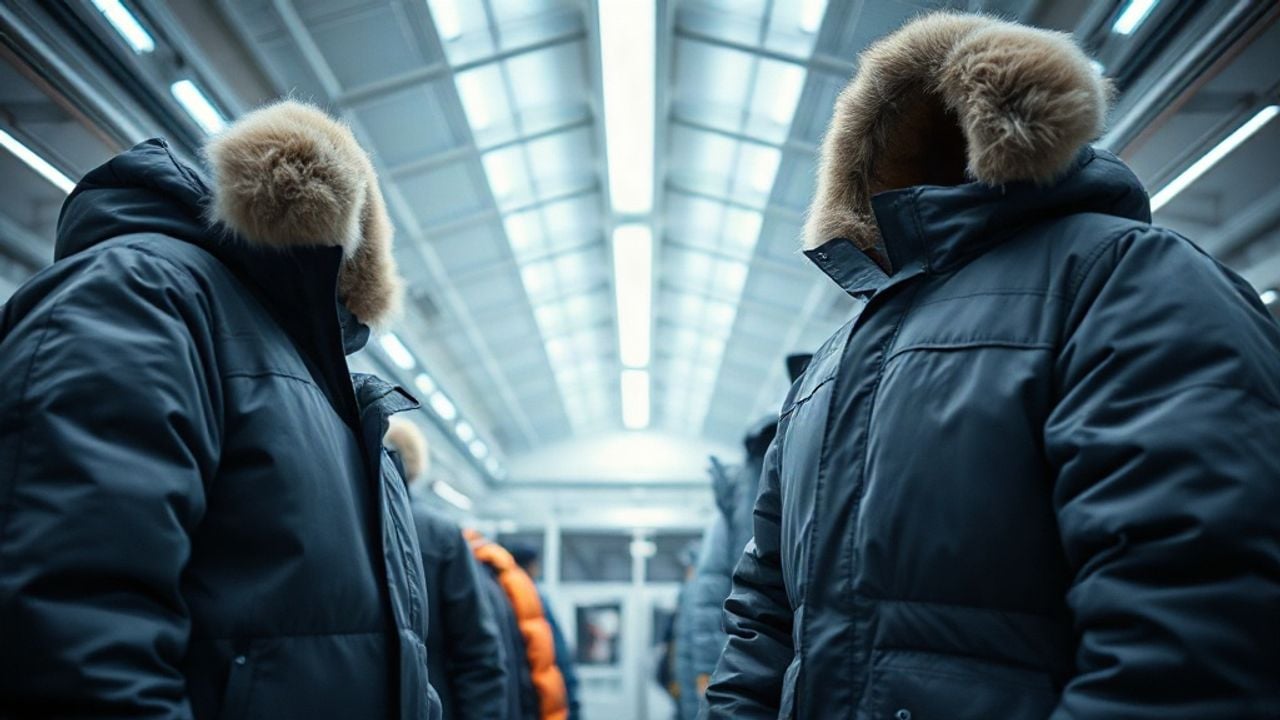 what is Yellowknife Ski-Dooswhat is Yellowknife Ski-Doos
Frequently asked questions
What type of winter clothing should I buy for extreme cold?
When shopping for winter apparel suited for extreme cold, select insulated parkas, in addition to thermal base layers and waterproof, lined boots. This combination ensures you stay warm and adequately protected from challenging weather conditions.
How do I maintain my winter clothing?
Always pay close attention to the washing recommendations provided by your clothing's manufacturer. It's essential to avoid extremely high temperatures during washing to maintain the insulation's effectiveness. Furthermore, regularly inspect your garments for any wear and tear and address repairs promptly.
Are cheaper winter clothing options worth it?
Though affordable clothing may look tempting, investing in higher-quality materials often yields superior insulation and durability. This investment can ultimately save on frequent replacements and prove more economical in the long run.
Can I wear regular clothing in winter environments?
Typical clothing usually falls short in providing sufficient insulation or moisture protection in winter climates, potentially resulting in discomfort or hypothermia risks under severe cold conditions.
What materials are best for winter clothing?
Synthetic materials like nylon and polyester are proficient at moisture-wicking, whereas natural materials such as wool and down offer excellent insulation without adding extra weight to your winter wardrobe.
How do layering systems work?
Layering systems comprise base, mid, and outer layers that synergize to retain warmth while driving moisture away from your skin, granting you flexibility and comfort as you adjust to fluctuating temperatures.
Selecting appropriate winter attire in Yellowknife greatly influences your overall enjoyment of the chilly months. Familiarizing yourself with the principles of insulation, taking into account your planned activities, and being well-prepared can significantly improve your outdoor adventures.
When you have the right equipment, any excursion can become enjoyable, no matter how cold it gets. Make sure to gear up thoughtfully and take full advantage of what winter in Yellowknife has to offer.